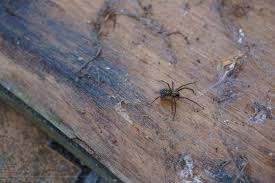
Basements and garages
Large house spiders may be noticed moving along floors, stairs and quiet corners.

Big spiders in the basement, webs around windows or repeat sightings in the garage? Most house spiders in BC are harmless, but frequent activity can still be frustrating. We'll help identify likely species, inspect the conditions attracting them and discuss practical control options.
The type of location and pattern of sightings can help us decide whether action is needed.
Large house spiders may be noticed moving along floors, stairs and quiet corners.

Screens, door sweeps and small openings are worth checking when spiders repeatedly appear indoors.

Boxes, baseboards and undisturbed corners can shelter spiders and the insects they prey on.
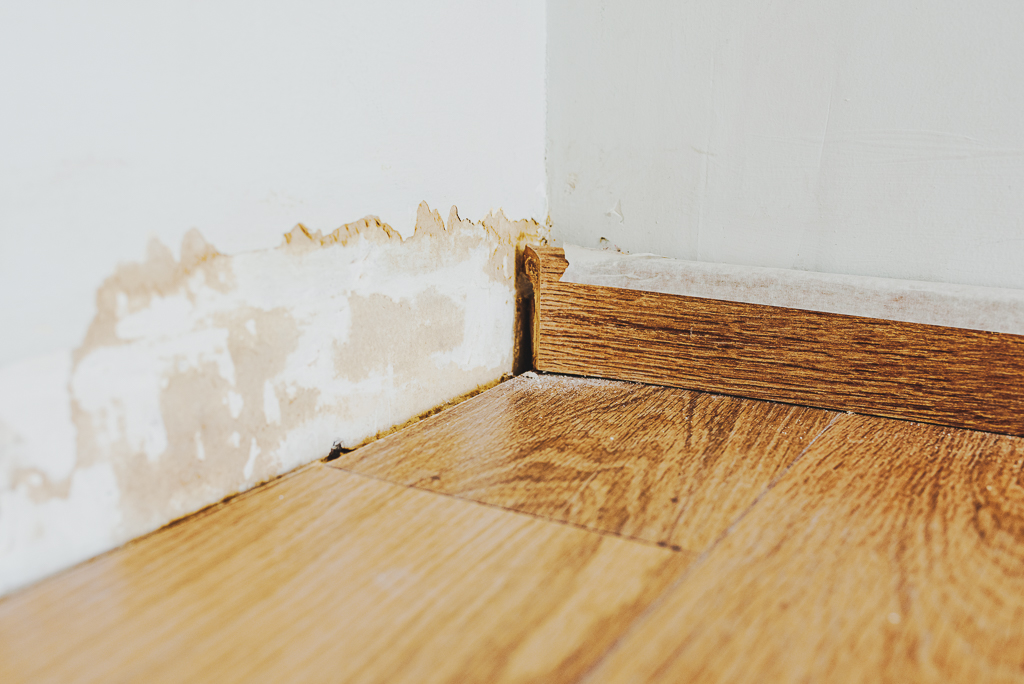
Giant house spiders and hobo-type spiders become more noticeable during parts of autumn. Most are not medically dangerous. Identifying the spider and checking entry routes is more useful than assuming rain drove them indoors.
They can look large and move quickly but are generally harmless to people.
Giant house and hobo-type spiders can look similar. Fearsome hobo-spider bite claims are not supported by verified evidence.
Late-summer and fall males can wander seeking mates. Increased sightings do not necessarily mean a growing infestation.
Not every sighting calls for spraying. We focus on realistic reduction of unwanted activity.
Review a photo, sightings and types of webs or affected spaces.
Discuss accessible web and egg-sac removal and routine cleaning.
Check door sweeps, screens, exterior lighting and insects that may be attracting spiders.
Where appropriate, explain permitted targeted methods and their limitations.
Spider control is not a promise of permanent elimination. Some spiders benefit the property by eating other insects.
A good description helps us distinguish a one-time visitor from repeated activity worth addressing.
Request a callback →Avoid handling unfamiliar spiders with bare hands.
Record whether sightings involve the same web, basement, garage or doorway.
Look for torn screens and loose door sweeps.
Tell us about children, pets or areas where a treatment would need precautions.
Identification, late-season sightings, safety and sensible treatment choices.
They are usually harmless to people. Their size and speed can make them feel more alarming than they are.
These are difficult to distinguish from similar house spiders. Reports of dangerous hobo bites are not supported by confirmed evidence.
In late summer and fall, mature male spiders may leave their usual hiding places to find mates, making them more noticeable.
Often spiders have fallen into tubs or sinks and cannot climb out of the smooth sides. Their presence does not prove drain entry.
Usually not. Many spiders are beneficial predators of other insects. Targeted management may be appropriate for recurring unwanted activity.
No. Spiders may enter from outdoors or return as conditions change. The goal is practical reduction through removal, prevention and suitable treatment.
Additional information: Royal BC Museum – Fall spider facts
Let us know the areas involved and what you've noticed. We'll help you decide whether an assessment or targeted treatment makes sense.
