01
Sounds behind the walls
Scratching, scurrying or gnawing from a ceiling, wall or floor—often when the house is quiet.

Scratching in the ceiling? Droppings in the kitchen? We help identify rodent activity, explain suitable control options and address entry-point concerns. Tell us what you're noticing for a practical plan—not guesswork.
RECOGNIZE THE SIGNS
Scratching, droppings, gnaw marks and unexplained openings are common clues. Here's what to look for.
Scratching, scurrying or gnawing from a ceiling, wall or floor—often when the house is quiet.
Small pellets, damaged packaging or signs of activity near cupboards, pantries or the garage.
Openings around vents, pipes, garage doors and building transitions can provide routes inside.
Shredded material or chewed surfaces in attics, crawlspaces, wall voids or storage areas.
Rats and mice can affect the building and the people using it. The concerns vary depending on where they're active.
Gnawing can damage insulation, wallboard, siding and stored belongings. Entry holes may also let rodents move through a building.
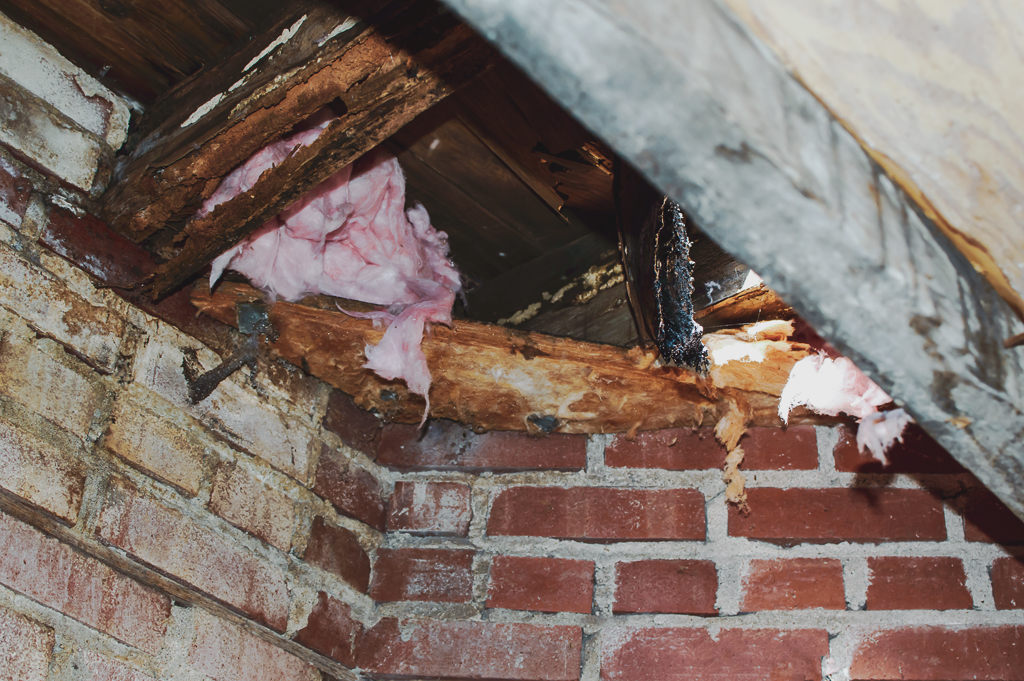
Rodents may chew electrical wires and appliance connections, creating possible short-circuit, equipment or fire hazards.

Urine, droppings and other rodent contact can expose people to disease-causing organisms. Risks vary by species and situation.
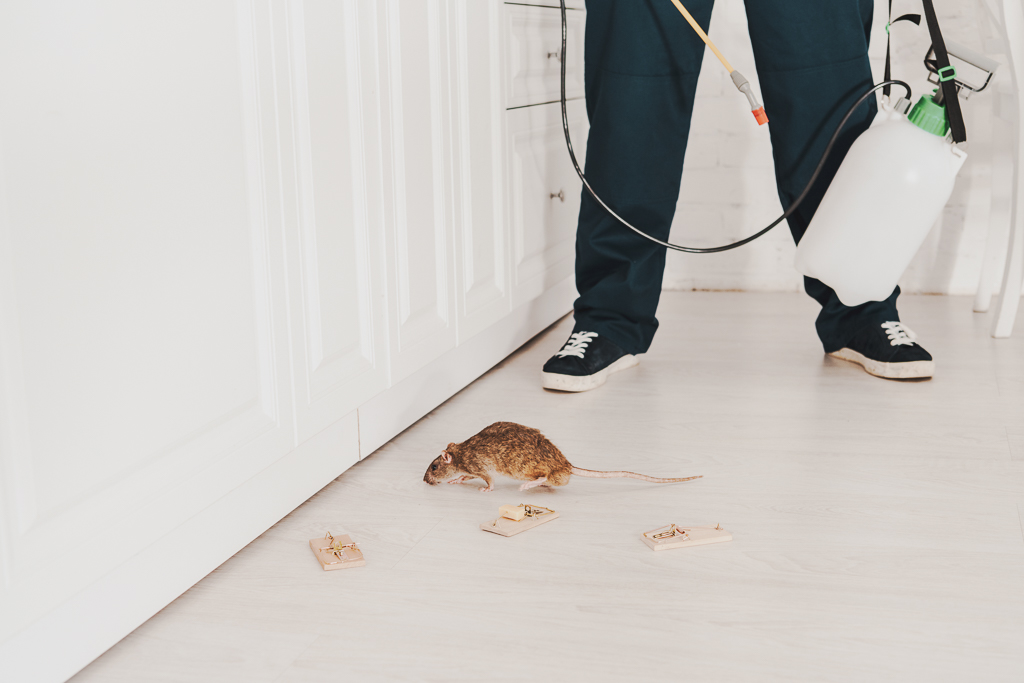
Nesting debris, droppings and odours in enclosed areas may require careful cleanup and attention to affected materials.
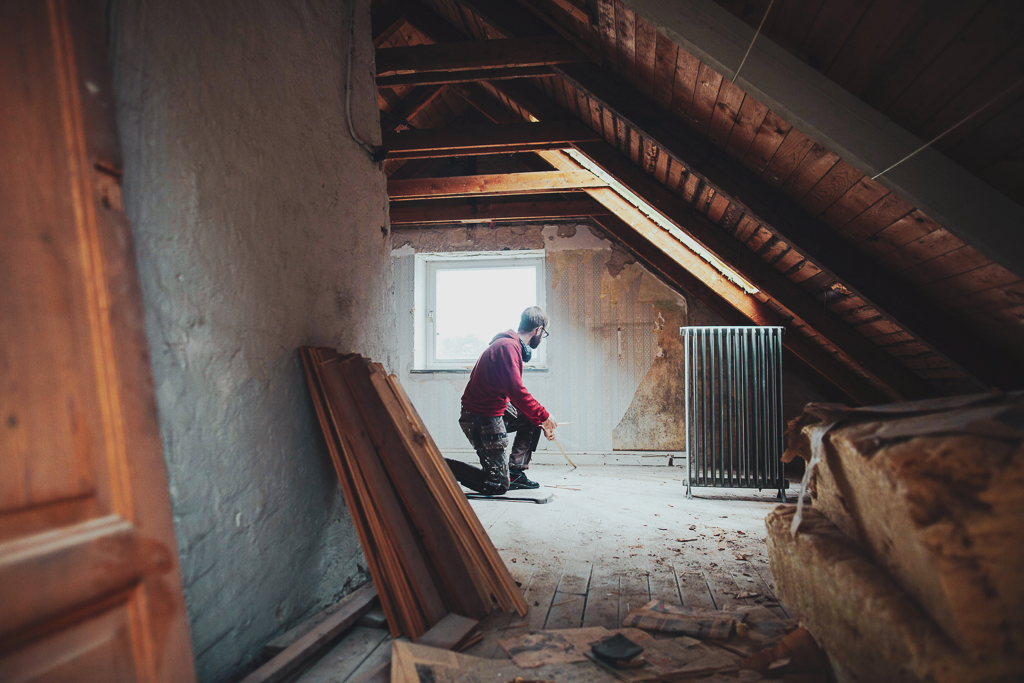
Rodents can damage packaging and contaminate stored food or stock, affecting both household pantries and commercial inventory.

In shared or commercial spaces, signs of rodents can trigger complaints, sanitation concerns and added responsibilities for operators.

Potential impacts depend on the species, property and extent of activity; not every infestation involves every risk. BC rodent health guidance
HOW CAPTAIN WORKS
We inspect the activity, choose an appropriate control plan, and recommend exclusion or cleanup when the property needs it.
Find the signs and likely routes.
Review evidence, affected spaces and accessible openings to understand where activity may be coming from.
Choose an appropriate control plan.
Discuss trapping, monitoring or other permitted methods that fit the site and level of activity.
Address potential entry points.
Identify suitable exclusion work and any repairs best handled by other qualified trades.
Consider the affected spaces.
Review nesting debris or contamination concerns and explain cleanup options when needed.
Not every job needs every step.
Exclusion and cleanup may be separate services.
We explain what's proposed, optional or outside the quote.
We consider where activity is occurring, how the building is used and the possible risks before choosing an approach. Monitoring, trapping, prevention and follow-up may each play a role.
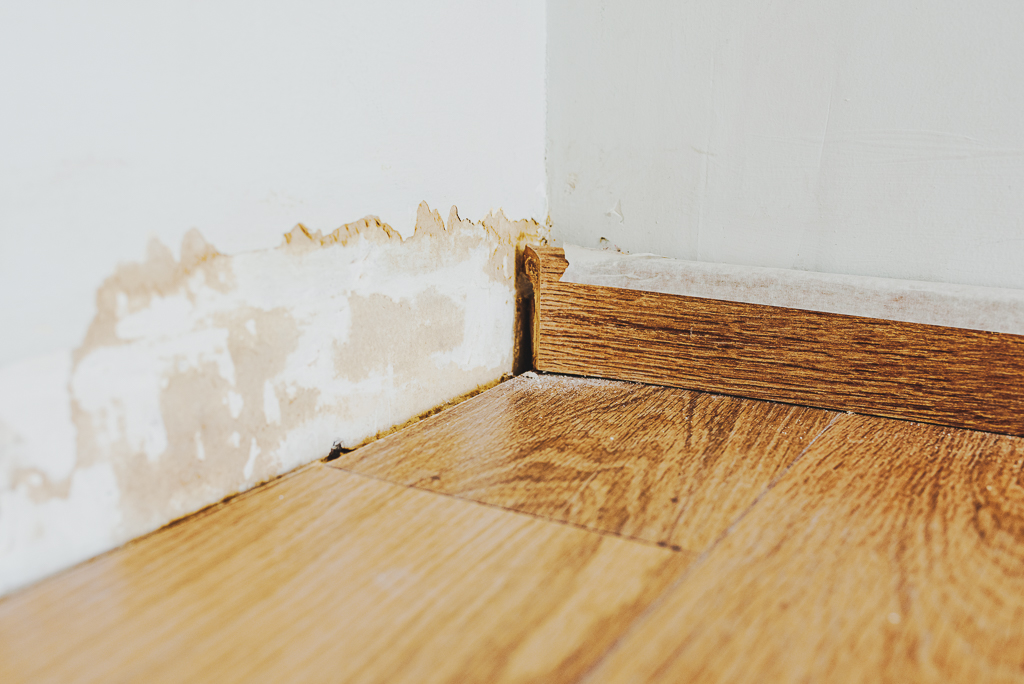
Traps or monitoring devices may be used in appropriate locations to understand and reduce activity, with follow-up based on findings.
When other measures are insufficient, a licensed professional may assess permitted baiting options under BC rules and product-label requirements.
We look for accessible openings that could be allowing access. Suitable sealing or larger repairs are scoped and quoted separately where required.
Food storage, waste management, clutter and exterior maintenance can all affect rodent activity. We explain practical prevention steps for your property.

EXCLUSION & PREVENTION
If rodents can continue entering a property, treatment alone may not solve the whole problem. We help identify accessible entry-point concerns and explain what kind of pest-proofing or building repair may be useful.
Vents, utility gaps, door transitions and openings around the building envelope.
Accessible food, water, waste storage and sheltered nesting spaces.
Exclusion work is assessed separately and timed appropriately so active rodents aren't trapped inside.
BEFORE YOU BOOK
Answers about treatment, safety precautions, follow-up and what may be included in your quote.
Both can leave droppings, gnaw marks and scratching sounds. The size and location of evidence may provide clues, but photographs and an inspection can help identify the problem more reliably.
Tell us about children, pets and sensitive areas before service. We'll explain the proposed method, placement, access precautions and any relevant safety instructions.
Not automatically. Entry-point exclusion and cleanup are assessed and quoted according to the property's condition. We'll explain what's included before work begins.
Some situations require monitoring or more than one visit. The proposed quote should clarify any follow-up, expected observation period and applicable service terms.
That depends on the treatment and areas involved. We'll explain any preparation, access restrictions or re-entry instructions before service.
Pricing depends on the pest, activity, property size, access, visits and any exclusion or cleanup needed. Start with a description of the problem so we can discuss a suitable assessment or quote.
Still unsure what you're dealing with? A short description is enough to get started.
Ask Captain a question →Scratching, droppings or repeat sightings? Describe the problem and we'll help you work out the next step.
