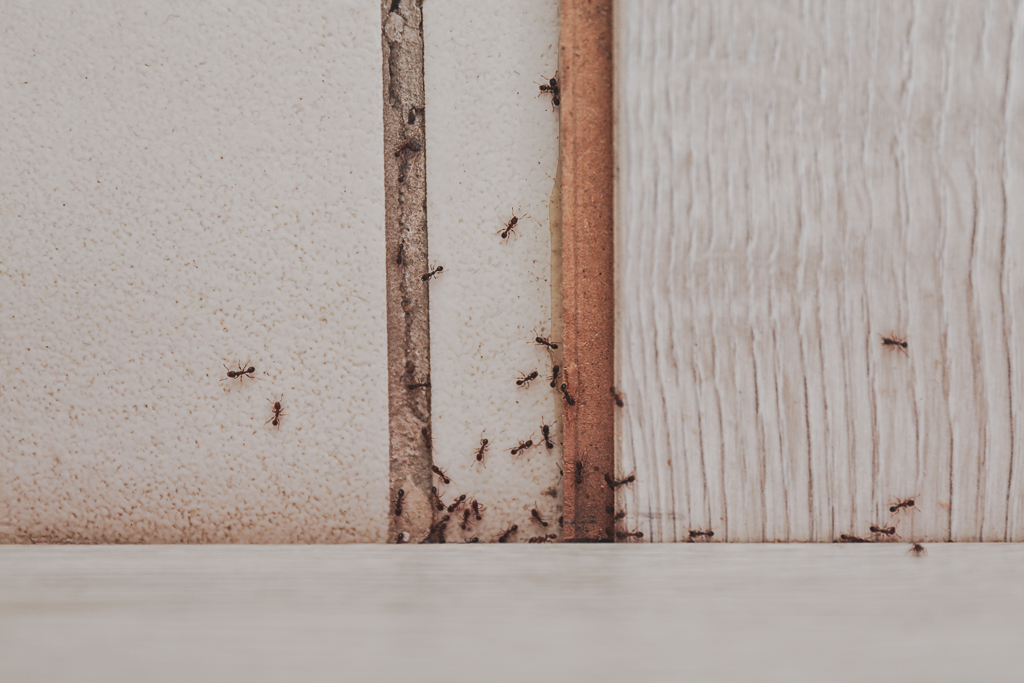
Trails along doors and floors
Ants moving in lines near a sliding door, baseboard or kitchen edge can point to a regular access route.

Ants by a sliding door, across the kitchen counter or around a damp window? We help identify the species, find likely nest and entry areas, and recommend control that fits your property. Serving homes and businesses across Metro Vancouver.
The location of a trail can tell us more than the number of ants on the floor. Start with these common patterns.
Ants moving in lines near a sliding door, baseboard or kitchen edge can point to a regular access route.

Ants around patios, concrete edges or entry gaps may be travelling from outdoor nesting areas.
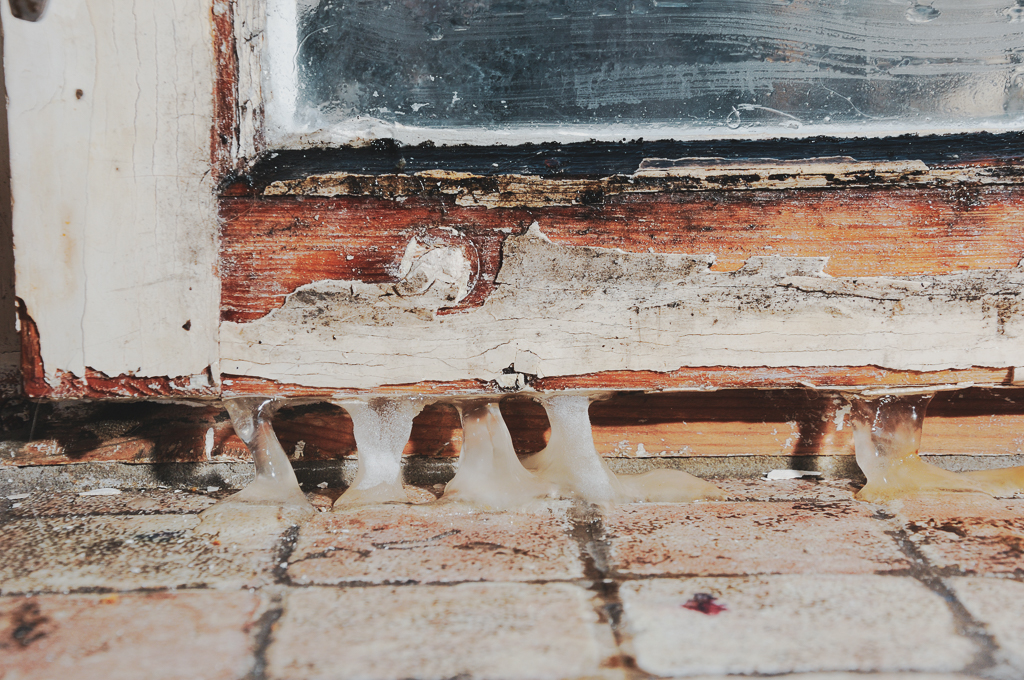
Sightings around plumbing, window frames or damaged trim warrant a look at moisture conditions and the species.
Take a close photo if you can, and note where the ants enter. Appearance and location help with identification, but neither confirms a species on its own.
The location and species matter. Explore common possibilities, then tell us what you've noticed.
Often found around paving, slab edges and ground-floor entry points.
Learn about pavement ants ↓Associated with damp or decaying wood; identification and moisture checks matter.
Learn about moisture ants ↓Larger ants that can excavate wood for nesting and warrant proper identification.
Ask about carpenter antsWet conditions can change outdoor activity and expose moisture problems around a building. A rain-related sighting doesn't confirm an indoor nest, a specific ant species or a need for spraying.
PAVEMENT ANTS
Pavement ants typically nest in soil beneath or beside concrete, stones and paving. You may first notice a trail near the garage, a sliding-door track or a ground-floor wall.
Patio and walkway joints, slab edges, door thresholds and foundation penetrations.
Saturated ground may affect foraging and where ants appear, but does not prove an outdoor colony has moved inside.
Trace accessible trails, assess potential nests and entry routes, then discuss targeted control and prevention.
Don't assume every small ant near concrete is a pavement ant. A photograph or specimen helps with identification.
Discuss an ant assessment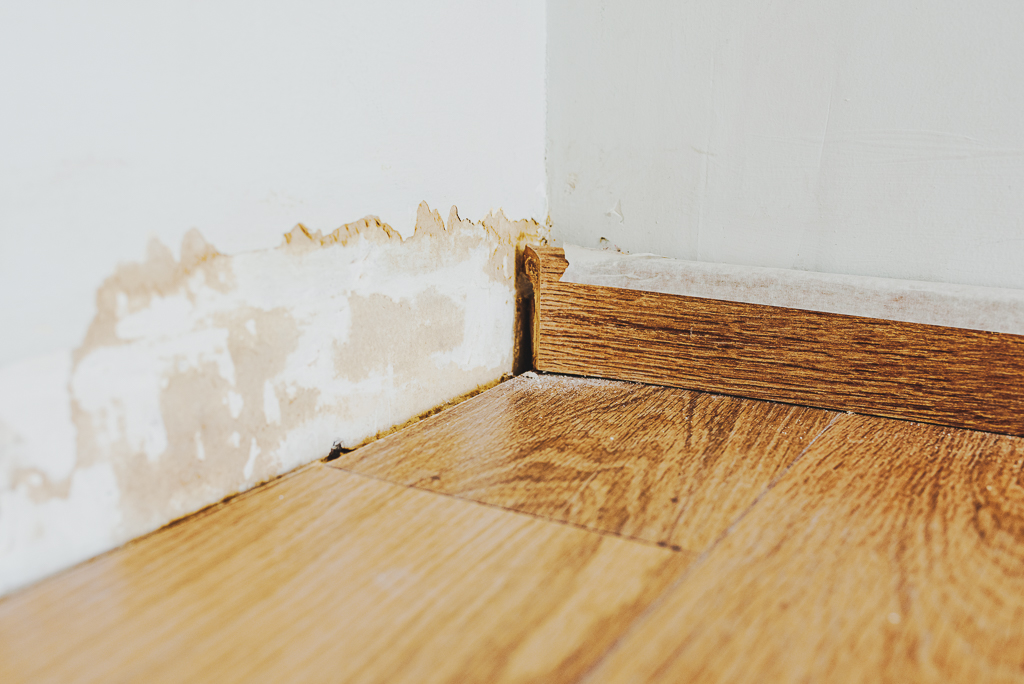
MOISTURE ANTS
Moisture ants are often associated with already decaying, damp wood. Activity around a leaking sill, plumbing area or crawlspace deserves attention to both the ants and the condition of the material.
Window and door sills, plumbing penetrations, damp trim, crawlspaces and sill plates.
Recurring leaks and trapped moisture may worsen wood deterioration; rain by itself does not identify the ant.
Inspect accessible ant activity, recommend suitable pest control and flag moisture or timber repairs for qualified trades.
Pest treatment cannot repair a leak or decayed wood. Identification and moisture correction are both important.
Discuss an ant assessment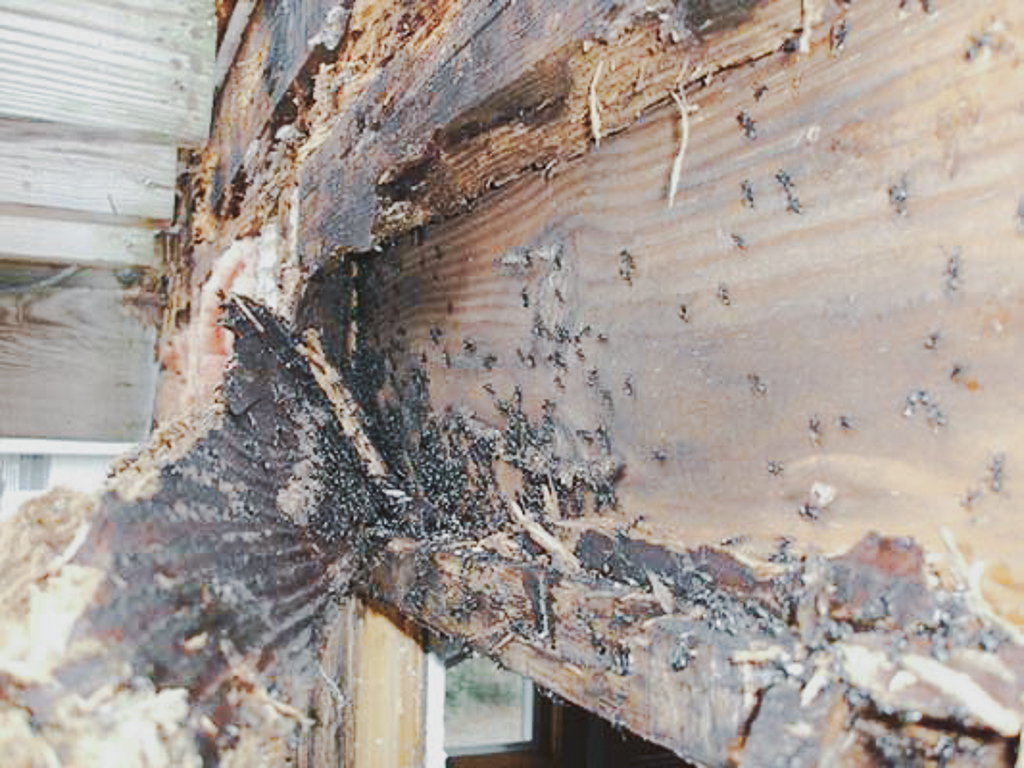
A useful plan starts with the species and the source of the activity—not a product applied to every visible trail.
Identify the ant species where possible, follow trails and check accessible entry points or nesting conditions.
Recommend appropriate targeted measures based on the species, colony location and occupied spaces.
Discuss moisture, access gaps, food sources or wood condition that could be supporting activity.
Explain what to watch for and whether further monitoring or follow-up is recommended.
Some situations need only targeted control. Moisture repairs, structural work and extensive sealing remain separate from pest-treatment scope unless specifically agreed.
Discuss a plan →Clear answers about what ant activity means, what we check and what treatment may involve.
Weather can change where ants forage, and damp areas around the property can provide favourable conditions. A rain-related trail doesn't establish the species or nest location.
Not necessarily. Moisture ants can be associated with decayed wood, but other ant species also travel along windows and doors. Check for leaks, soft wood and recurring activity.
Their nests are often under soil, paving or concrete slabs, though indoor nesting is possible. Entry through foundation or flooring gaps should be investigated.
Avoid applying multiple products without identifying the ant and the situation. Spraying visible workers may not reach a nest and can complicate some bait strategies.
That depends on the species, nest location and activity. We explain what the first visit includes and whether monitoring or a return visit is advised.
It depends on identification, access, treatment scope and any additional moisture or building work. Share the signs and location so we can discuss assessment options.
A clear picture of the ant trail and location is a useful start.
Ask Captain a question →A photo, the location of the trail and whether the activity changes after rain can help us decide what to investigate next.
