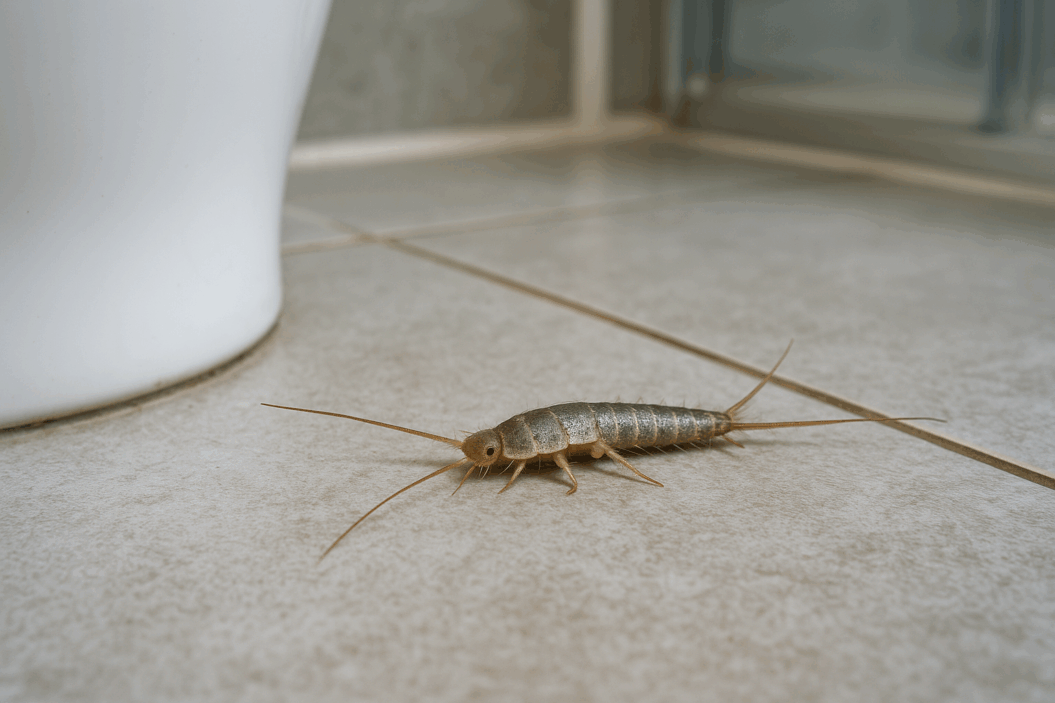
Bathrooms and sinks
Silverfish favour damp, sheltered areas around tubs, sinks and floor edges.

Seeing quick, silver-grey insects around the bath, basement or stored boxes? Silverfish favour damp, sheltered places and can damage paper or fabrics over time. Captain can help identify the insects, assess contributing conditions and explain the next practical step.
Silverfish often appear at night, or when their hiding places are disturbed. Where you find them can help identify the source.
Silverfish favour damp, sheltered areas around tubs, sinks and floor edges.

Persistent populations can feed on wallpaper glue, bookbinding adhesives, paper and some fabrics.
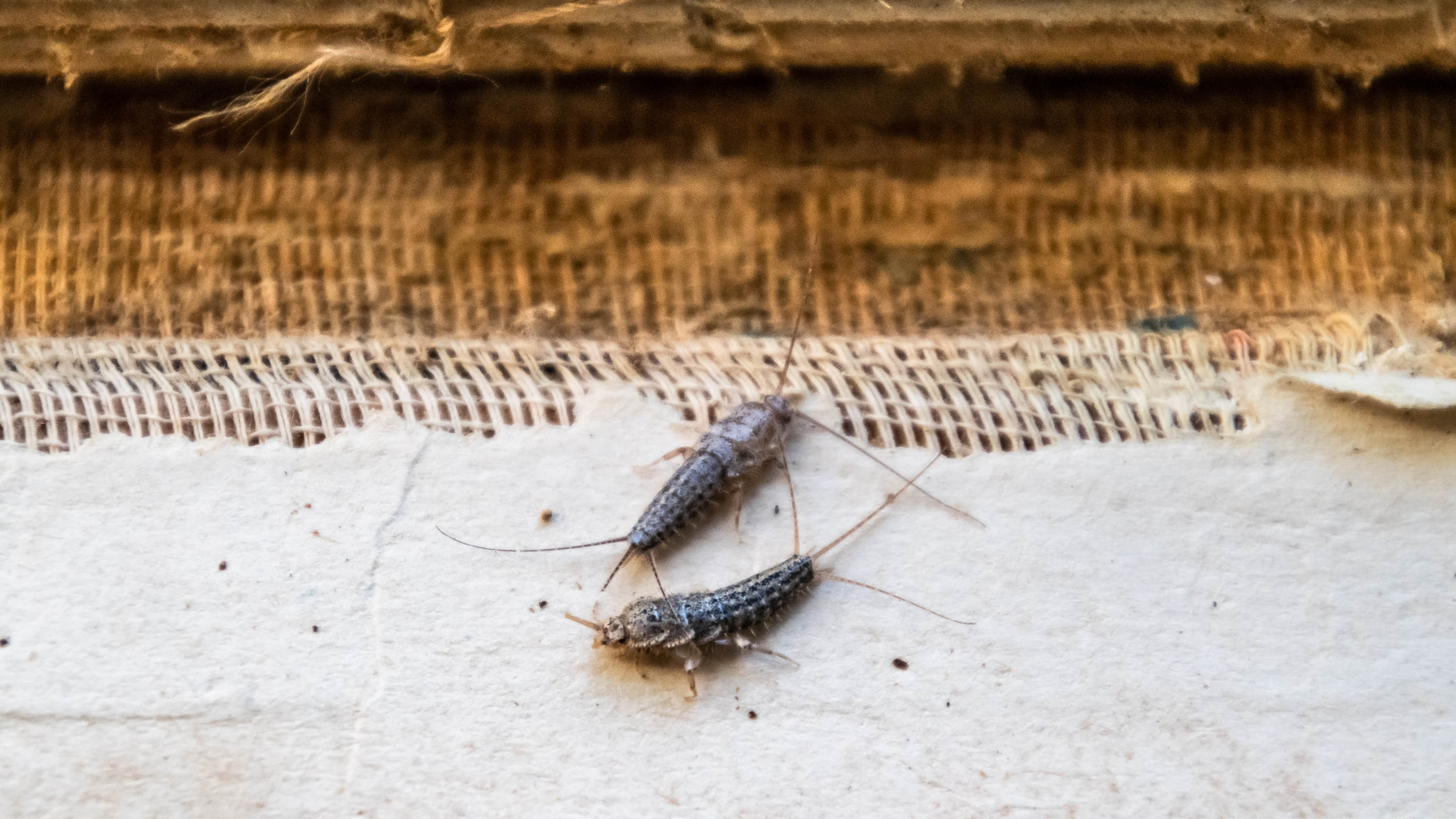
Cardboard boxes, damp storage and undisturbed corners can provide food and shelter.
Silverfish generally prefer humid places. Although they aren't dangerous to people, ongoing activity may affect stored materials and signal conditions worth correcting.
Check condensation, leaks, basement ventilation and rooms that stay damp.
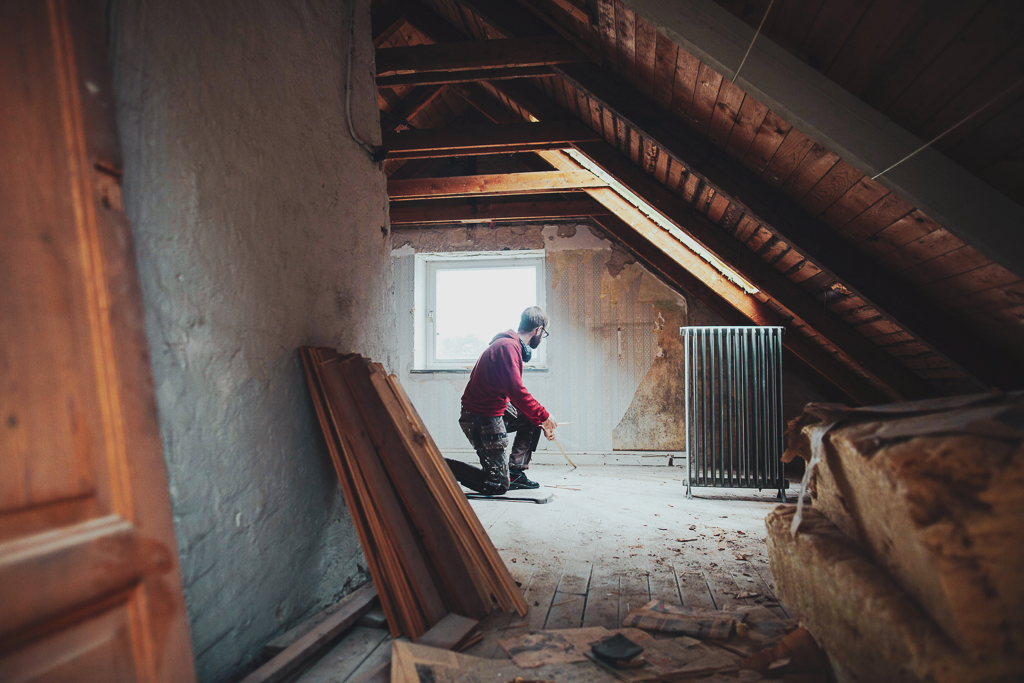
Silverfish can occur in attic spaces, including near shake roofs, but the source still needs to be assessed.
Similar firebrats prefer higher temperatures; the treatment approach should fit the actual insect and conditions.
We investigate both the insect activity and the conditions making the space suitable.
Identify the insect and map sightings, accessible hiding places and possible moisture sources.
Recommend practical ventilation, storage or leak-related corrections.
Discuss cleaning, monitoring and registered targeted treatments when warranted.
Clarify what to watch for, whether follow-up is appropriate and who handles property repairs.
Treatment is not a substitute for plumbing, ventilation or building-envelope repairs. Those are separate responsibilities.
You don't have to clear the entire house or choose a pesticide yourself. A few observations help us plan.
Request a callback →Show the insect and where you noticed it.
Note any leaks, condensation or excess humidity.
Use dry shelves or closed containers for paper and fabrics.
Share previous products, traps or treatments.
What silverfish mean, what treatment may involve and how to prepare.
They are generally harmless to people and do not usually bite. The main concern is damage to paper, glue, fabrics or stored items.
Not necessarily. Even heated buildings can contain damp pockets around plumbing, attics or poorly ventilated storage.
Bathrooms can provide water, humidity and small sheltered gaps along fixtures or baseboards.
Silverfish may occur in or near attic and wood-shake roof areas. The conditions and insect should be checked before deciding on treatment.
Reducing moisture and clutter often helps. Recurring or extensive activity may warrant monitoring or targeted treatment.
Cost depends on access, the number of affected areas, the treatment plan and any follow-up. An assessment helps clarify scope.
Additional information: Health Canada – Silverfish and Firebrats
Tell us where you're seeing them, especially around bathrooms, basements, storage or attic spaces. We'll explain an appropriate starting point.
